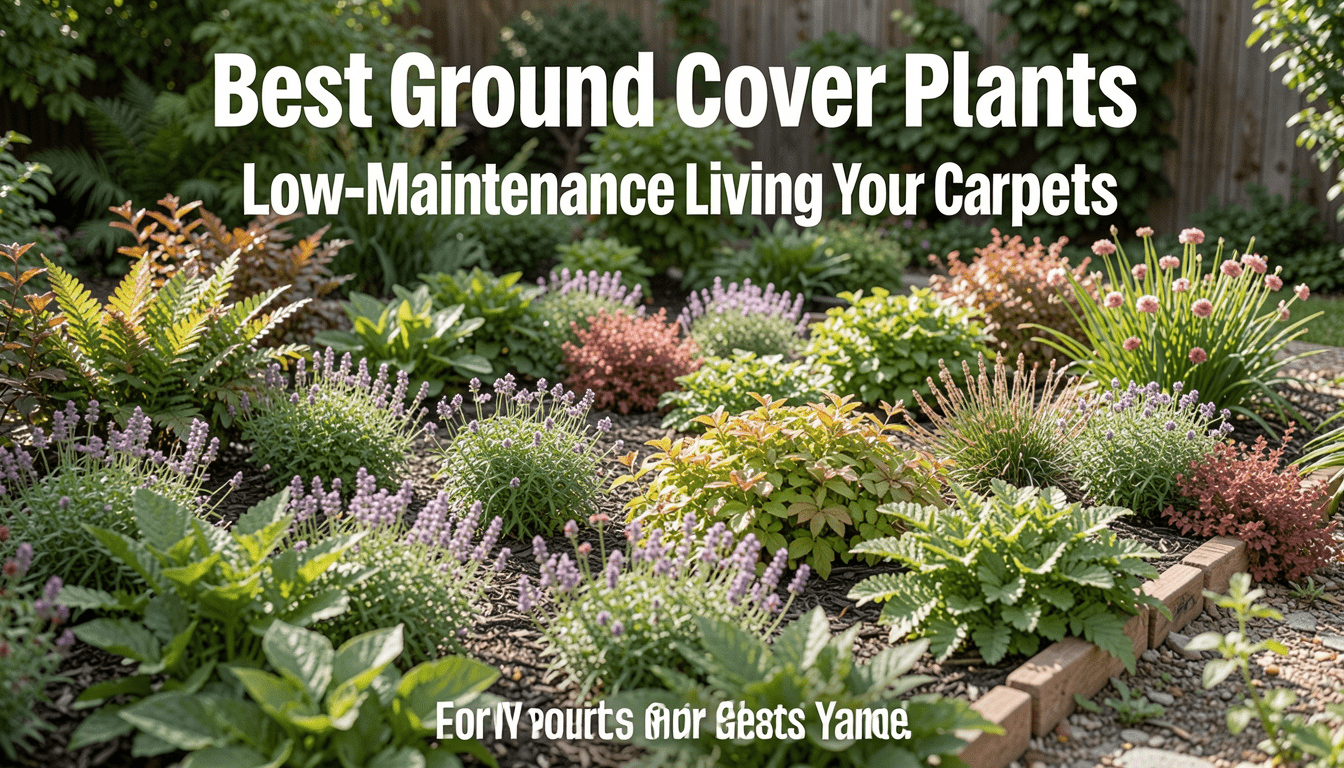
Best Ground Cover Plants: Low-Maintenance Living Carpets for Your Yard
Have you ever looked at a patchy, weed-filled spot in your yard and wished for a magic fix? Mowing the lawn every single week can feel like a never-ending chore. Thankfully, nature has a wonderful secret weapon for tired gardeners. By choosing the best ground cover plants, you can swap out high-maintenance grass for a stunning, living carpet of lush greenery.
These low-growing wonders act like a natural mulch. They spread across the bare soil, block out pesky weeds, and keep moisture from escaping into the hot air. No matter your garden setup, there is a perfect match waiting for you. From sunny stone paths to the darkest spots under your old oak trees, these plants solve real landscaping problems while looking absolutely beautiful. Let us dive in and explore how you can transform your outdoor space into a thriving, low-maintenance paradise.
What Exactly Are Ground Cover Plants?
When we talk about ground cover plants, we are talking about a specific group of low-slung, spreading plants. Instead of growing tall like a bush or a tree, they focus their energy on growing sideways. They create a thick blanket of leaves and flowers that stays close to the dirt. Think of them as nature’s ultimate rug for your outdoor living spaces.
Many gardeners use them to cover large areas where traditional grass refuses to grow well. They are excellent for stabilizing steep hillsides, filling the gaps between stepping stones, or neatly edging your flower beds. They come in many varieties, including evergreen leaves that stay bright all winter and flowering types that burst with color every spring.
The Amazing Benefits of Living Carpets
Using these living carpets does way more than just make your yard look pretty. First, they save you an incredible amount of time and money on weekend yard work. Once these plants grow tight together, they block the sunlight that weed seeds need to sprout. That means your days of pulling stubborn weeds in the hot sun are mostly over.
Second, they are amazing for the health of your soil. Their deep, tangled roots hold the dirt firmly in place during heavy rainstorms, which stops erosion completely. They also shade the earth, keeping it cool and moist so you do not have to water your garden nearly as often.
Best Ground Cover Plants for Beautiful Yards
When choosing the right option for your property, it helps to know which varieties perform the absolute best. The best ground cover plants are hardy, easy to care for, and pleasant to look at all year. My absolute favorite for beginners is creeping thyme because it looks soft but can handle people walking right over it.
Another top-tier option is sedum, which is a tough little succulent that stores water in its thick leaves. If you have areas with bad soil where nothing else seems to survive, sedum will happily thrive there. For a classic look, look into vinca minor, which treats you to shiny evergreen leaves and beautiful blue flowers.
Ground Cover Plants Full Sun Lovers Delight
If your yard gets baked by intense afternoon heat, you need tough plants that absolutely love the sunshine. True ground cover plants full sun varieties are built to handle heat without wilting or turning brown. They use the bright light to produce vibrant flowers and thick foliage.
A wonderful choice for bright spots is the hardy ice plant. It has fleshy leaves and bright, neon-colored flowers that look like little daisies. It loves the heat and handles drought like a champ. Another sunny winner is creeping phlox, which turns into a solid sheet of pink, purple, or white flowers every spring.
Creeping Ground Cover Plants for Walkways
Do you have a stone path or a walkway that looks a bit bare and boring? You can soften those hard edges by planting creeping ground cover plants right along the borders. These special varieties naturally search out small gaps and cracks, flowing into them like water.
Irish moss is a stellar pick for this specific job. It forms a bright green, velvet-like cushion that feels incredible if you walk on it with bare feet. It stays very low to the ground and looks amazing winding between large, flat flagstones. Creeping wirevine is another durable choice that features tiny, round leaves and tough stems.
Fast Growing Ground Cover Plants Shade Solutions
Shady areas under large trees or next to tall fences can be a real headache for homeowners. Grass usually gets thin, weak, and mossy in these dark zones. Fortunately, fast growing ground cover plants shade varieties are specifically adapted to thrive with very little direct sunlight.
Sweet woodruff is a fantastic shade plant that spreads quickly to form an attractive emerald carpet. It has beautiful whorled leaves and tiny white flowers that smell sweet like fresh hay. Pachysandra is another legendary shade lover. It features dark green, glossy leaves that look clean and manicured throughout every season of the year.
Full Sun Ground Cover Plants for Hot Hillsides
Slopes and hillsides are famously difficult to maintain because mowing them can be scary and highly dangerous. Planting full sun ground cover plants on a hillside solves this problem safely and permanently. They anchor the slope with their roots and create a beautiful landscape features you never have to mow.
Prostrate juniper is a woody, evergreen option that works like magic on sunny banks. It grows wide and flat, completely smothering weeds while requiring zero trimming from you. Another excellent hillside choice is trailing rosemary, which cascades down slopes beautifully while giving off a wonderful, fresh herbal scent.
How to Prepare Your Soil for Planting Success
You cannot just throw your new plants onto hard, weed-filled dirt and expect them to grow perfectly. Taking a little time to prepare the area guarantees your new green carpet fills in quickly and stays healthy. Start by clearing away every single weed and patch of old grass from the designated planting zone.
Next, loosen the top few inches of dirt with a shovel or a garden fork. Mix in a generous amount of rich compost to give your new plants plenty of healthy nutrients. This extra step helps the young roots spread out easily so the plants can establish themselves without struggling.
Smart Planting Step-by-Step Guide
| Step | Action to Take | Why It Matters |
| 1 | Space out your potted plants | Ensures even coverage across the area |
| 2 | Dig holes matching the root balls | Keeps the plant at the correct soil level |
| 3 | Gently loosen the plant roots | Encourages roots to grow out into new soil |
| 4 | Press soil firmly around the base | Eliminates harmful air pockets around roots |
| 5 | Water the entire area deeply | Helps the plants recover from transplant shock |
Easy Maintenance Tips for Long-Term Health
While these plants are famous for being incredibly low-maintenance, they still need a tiny bit of love to look their best. During their first year in the ground, water them regularly whenever the top inch of soil feels dry. This helps them build the deep root systems they need to survive tough weather later on.
Once your plants grow together into a solid mat, your workload drops to almost nothing. You can apply a light layer of organic mulch between the plants early on to keep weeds down while they are still spreading. Cut back dead flowers or messy edges once a year to keep the growth looking neat.
Common Mistakes to Avoid in Your Garden
The biggest mistake I see folks make is picking a plant that does not match the actual sunlight of the spot. Putting a shade-loving plant into a bright, baking corner will burn the leaves and kill it quickly. Always read the plant tag carefully before checking out at the garden nursery.
Another common pitfall is ignoring the plant’s ultimate growth speed. Some fast-spreading varieties can easily escape their borders and creep into your regular flower beds or lawn. Use plastic or metal garden edging around aggressive growers to keep them exactly where you want them.
Conclusion
Swapping out problematic patches of grass for beautiful ground cover plants is one of the smartest upgrades you can make for your property. It cuts down your chore list, protects your valuable soil, and adds gorgeous color and texture to your neighborhood.
Take a walk outside today and spot one area in your yard that feels like too much work to maintain. Head down to your local plant nursery, grab a few creeping or spreading varieties, and start your own living carpet. You will love watching your garden transform into a lush, care-free oasis.
FAQs
Can I completely replace my lawn with ground cover plants?
Yes, you can absolutely replace your lawn with these plants. Varieties like creeping thyme or chamomile can handle light foot traffic and never need to be mowed. It is an amazing way to save water and stop using noisy lawnmowers.
How fast will these plants spread out and cover the dirt?
Most varieties take about one to two growing seasons to completely fill in and form a solid blanket. Fast-growing types will cover bare spots much quicker, especially if you feed them good compost and water them well during the spring.
Do ground cover plants attract harmful pests to my house?
No, they do not attract harmful pests if you choose the right varieties. In fact, many flowering options attract beneficial insects like beautiful butterflies and honeybees. These helpful bugs actually protect your garden by eating bad pests.
Can these plants survive freezing cold winter weather?
Many options are fully hardy perennials that survive freezing winters easily. Evergreen types like pachysandra or creeping juniper will keep their green color even under a heavy blanket of winter snow, keeping your yard looking alive.
Is it safe to plant ground cover around mature trees?
It is incredibly safe and highly recommended. Shallow-rooted options thrive in the shade under large trees without stealing away vital water or nutrients. They look beautiful and protect the tree trunk from accidental damage caused by lawn mowers.
Do I need to fertilize my ground cover every year?
Most of these plants thrive in poor soil and do not need heavy feeding. Giving them a light layer of natural compost once a spring is more than enough to keep them strong, vibrant, and spreading beautifully.