Introduction to Masgonzola
Discover masgonzola, the creamy cheese blend of Gorgonzola and mascarpone. Learn its taste, nutrition, cooking uses, and easy recipe pairing ideas.
Have you ever heard of masgonzola? If you love cheese, this fun word might catch your eye. It sounds like a grand, historic cheese from a hidden village in Italy. But the secret behind masgonzola is much simpler and tastier than you think. It is a wonderful blend of two famous cheeses: creamy mascarpone and tangy Gorgonzola. When these two come together, magic happens on your plate. You get the rich, buttery softness of mascarpone mixed with the bold, fun kick of blue cheese. It is less sharp than plain blue cheese, making it a great treat for anyone who wants a milder flavor. Let us dive in and learn all about this creamy dairy delight!
Table of Contents
What Exactly Is Masgonzola?
The name masgonzola is a clever combination of two words. The “mas” part comes from mascarpone, and the “gonzola” part comes from Gorgonzola. It is not a strictly regulated cheese with hundreds of years of ancient laws. Instead, masgonzola is a modern culinary name for a delicious mixed specialty. Cheesemakers take sweet, velvety mascarpone and blend it with savory, blue-veined Gorgonzola. Some brands mix them completely into a smooth spread. Other brands arrange them in stunning alternating layers of white and blue. No matter how it looks, masgonzola offers a wonderful balance that pleases both mild and bold cheese fans.
The Main Ingredients: Gorgonzola and Mascarpone
To truly understand masgonzola, we need to look at its parents. Gorgonzola is a famous Italian blue cheese made from cow milk. It features lovely blue-green veins and a sharp, earthy taste. Mascarpone is a rich, thick, and buttery fresh cheese from Italy. It has almost no salt and a very mild sweetness. When you mix them into masgonzola, the mascarpone calms down the heavy bite of the blue cheese. At the same time, the Gorgonzola gives the sweet mascarpone a savory punch. This teamwork creates a brand-new texture that is smooth, rich, and easy to love.
Complete Biography and Profile Table
| Feature Category | Details for Masgonzola |
| Primary Type | Creamy Italian soft-cheese preparation / blend |
| Main Ingredients | Gorgonzola cheese and Mascarpone cheese |
| Flavor Profile | Rich, buttery, savory, mildly tangy, and slightly pungent |
| Texture | Soft, velvety, smooth, and easily spreadable |
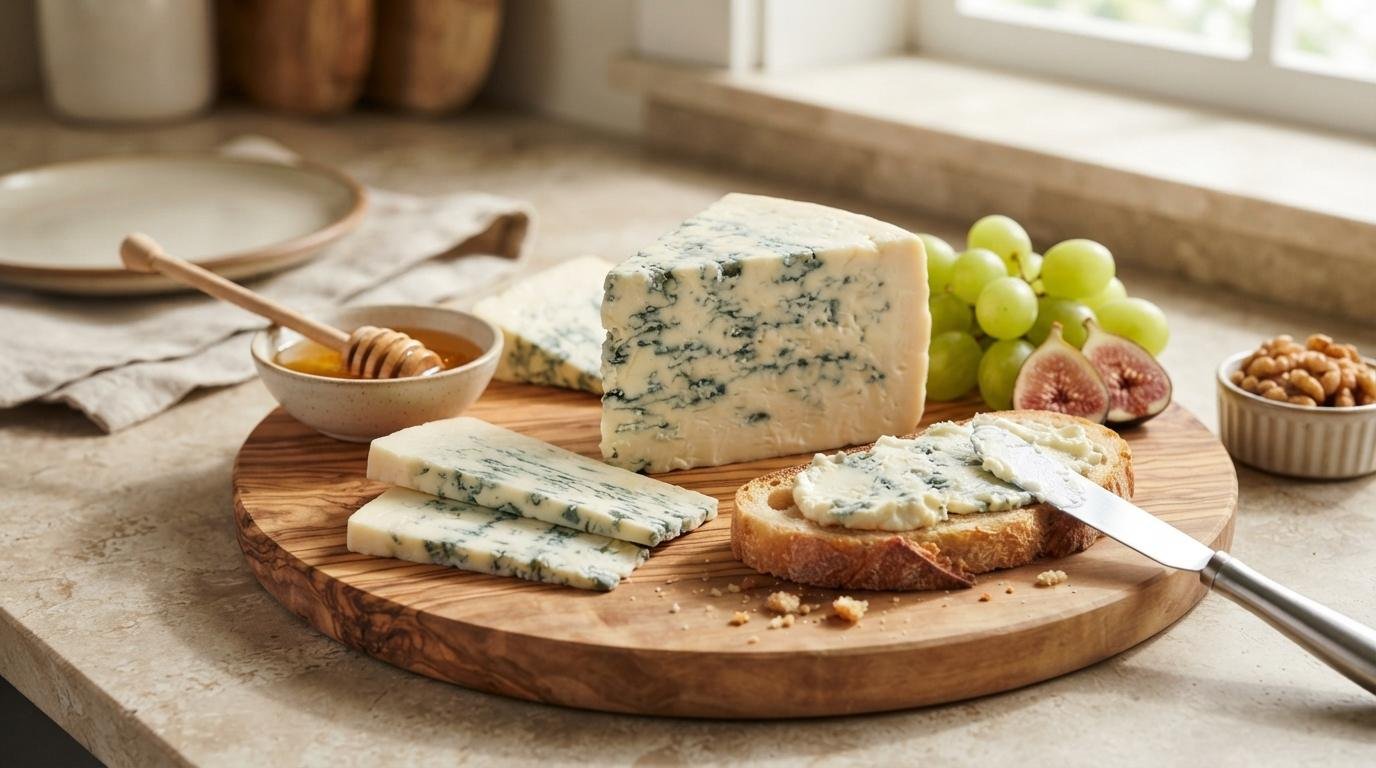
| Visual Appearance | Pale ivory or white with blue-green veins or distinct layers |
| Milk Source | Cow’s milk (from base components) |
| Best Uses | Spreading on bread, melting into pasta, or adding to cheese boards |
What Does Masgonzola Taste Like?
The taste of masgonzola is a fun adventure for your taste buds. If you find regular blue cheese too strong or salty, masgonzola is your best friend. The front taste is creamy, buttery, and mild thanks to the mascarpone. Right after that, you get a gentle hint of tanginess, earthiness, and salt from the Gorgonzola. It does not burn your tongue or taste overly sharp. Instead, masgonzola melts smoothly in your mouth like a rich dairy custard with a savory twist. Every bite feels luxurious, comforting, and very satisfying.
Texture and Visual Appeal
Texture is one of the best things about masgonzola. Plain blue cheese can sometimes crumble or feel a bit dry. Mascarpone is soft like thick butter. When combined, masgonzola turns into a wonderfully spreadable treat. Straight from the fridge, it is firm enough to slice gently. As it sits at room temperature, it turns creamy and soft. Visually, masgonzola is very pretty. If it is layered, you will see clean white bands sitting next to blue-veined sections. This makes masgonzola a gorgeous centerpiece for any party platter.
How Artisans Make This Cheese Blend
Making masgonzola is an art form that requires great skill. Cheesemakers start with high-quality cow milk to create the base components. Gorgonzola is aged using special mold cultures that form those famous blue veins. Mascarpone is made quickly by heating cream and adding citric acid. Once both cheeses are ready, experts blend them with care. Some producers layer the two cheeses by hand to keep the visual contrast sharp. Other producers whip them into a uniform paste. This careful process ensures that every block of masgonzola meets high quality standards.
Best Culinary Uses in Your Kitchen
You can use masgonzola in many fun and easy ways at home. Because it is so soft, masgonzola makes a fantastic spread for warm crusty bread or crisp crackers. You can also drop a spoonful into hot pasta, gnocchi, or risotto. It melts instantly into a velvety sauce without needing flour or extra butter. Try adding a small crumble of masgonzola over a fresh green pear salad. The sweet fruit juice balances the savory cheese flavor perfectly. The cooking options are endless and always delicious.
Simple Recipe Ideas to Try Today
Cooking with masgonzola is very simple, even for beginners. Here are two quick ideas to try in your kitchen today:
- Honey Walnut Toast: Toast a thick slice of country bread. Spread a generous layer of masgonzola on top. Drizzle raw honey and scatter chopped walnuts over it for a sweet and savory snack.
- Creamy Pasta Melt: Boil your favorite short pasta. Save a splash of the starchy pasta water. Toss the hot pasta with three big spoons of masgonzola and a splash of water until a glossy sauce forms.
Nutrition Facts and Health Notes
Just like other rich dairy items, masgonzola is packed with energy. A standard serving provides a good amount of protein, calcium, and healthy fats. Because it contains mascarpone, masgonzola has a higher fat content than regular milk, which gives it that rich mouthfeel. It is also very low in carbohydrates, making it friendly for low-carb meal plans. However, because it is calorie-dense, enjoying masgonzola in small, mindful portions is the best way to fit it into a balanced diet.
Conclusion
Masgonzola is a delightful and creamy cheese creation that brings the best of two worlds together. By mixing the bold kick of Gorgonzola with the sweet creaminess of mascarpone, it gives cheese lovers a versatile treat. Whether you spread it on crackers, melt it into pasta, or feature it on a weekend snack board, masgonzola always impresses. Why not pick up some masgonzola today and try it with fresh fruit or warm bread? What is your favorite way to enjoy creamy blue cheese blends?
Frequently Asked Questions
- What is masgonzola?
Masgonzola is a creamy cheese specialty made by combining tangy Gorgonzola with rich, smooth mascarpone. - Is masgonzola a real protected cheese?
No, masgonzola is not a protected PDO cheese with ancient laws. It is a modern culinary name for a Gorgonzola and mascarpone blend. - Does masgonzola taste like strong blue cheese?
It has a blue cheese flavor, but the mascarpone makes masgonzola much milder, creamier, and less sharp than plain Gorgonzola. - How should I store masgonzola?
You should keep masgonzola wrapped tightly in the refrigerator and bring it to room temperature for a few minutes before eating for the best texture. - Can I melt masgonzola into warm food?
Yes! masgonzola melts very smoothly into hot pasta, soups, and risotto, making an instant creamy sauce. - What foods pair best with masgonzola?
Masgonzola pairs wonderfully with sweet fruits like pears, figs, and grapes, as well as honey, walnuts, and crusty bread.